Our Services
SEO (Search Engine Optimization)
Search Engine Optimization (SEO) improves a website's visibility on search engines like Google. This process involves optimizing content with targeted keywords, enhancing site speed, and ensuring that the website is mobile-friendly. Additionally, acquiring quality backlinks and creating engaging, original content are key factors in achieving higher rankings. SEO also covers technical aspects such as optimizing meta tags, using descriptive alt text for images, and maintaining clean URL structures. Effective SEO strategies lead to increased organic traffic, better user experience, and a higher chance of converting visitors into customers, ultimately contributing to business growth.
PPC (Pay-Per-Click)
PPC (Pay-Per-Click) advertising is a digital marketing strategy where advertisers are charged each time their ad is clicked. It is widely used on platforms like search engines (e.g., Google) and social media. This model allows businesses to bid on keywords that resonate with their target audience, ensuring their ads appear prominently in search results or on social media feeds. PPC offers precise audience targeting, control over budgets, and clear, measurable outcomes. When managed effectively, PPC campaigns can drive immediate traffic, enhance brand visibility, and significantly improve conversion rates and return on investment (ROI).

Content marketing
Content marketing is centered around creating and sharing valuable, relevant content to attract and engage a specific target audience. This strategy includes producing a variety of content types such as blog posts, videos, infographics, podcasts, and social media updates. By addressing the needs and interests of the audience, content marketing builds trust, fosters relationships, and positions the brand as a leader in its industry. It enhances SEO, drives organic traffic, and encourages customer loyalty. Effective content marketing nurtures leads and converts them into long-term customers, supporting overall business growth.
.png)
SMM (Social media marketing)
Social media marketing leverages platforms like Facebook, Instagram, Twitter, and LinkedIn to promote brands, products, or services. It involves crafting and sharing content, interacting with followers, running targeted advertising campaigns, and monitoring performance metrics. Utilizing social media helps businesses build brand recognition, engage with their audience, and drive traffic to their website. Successful social media marketing relies on understanding the audience, creating compelling messages, and maintaining consistent engagement, which ultimately boosts customer loyalty and conversion rates.

Email Marketing
Email marketing involves sending targeted messages to engage your audience directly. Key practices include building a segmented email list, crafting personalized and compelling content, and utilizing automation to deliver timely, relevant emails. Performance can be optimized through A/B testing and tracking key metrics like open rates and conversions. It's also important to comply with regulations such as CAN-SPAM and GDPR. Tools like Mailchimp, Constant Contact, and HubSpot can help streamline and enhance your email campaigns.
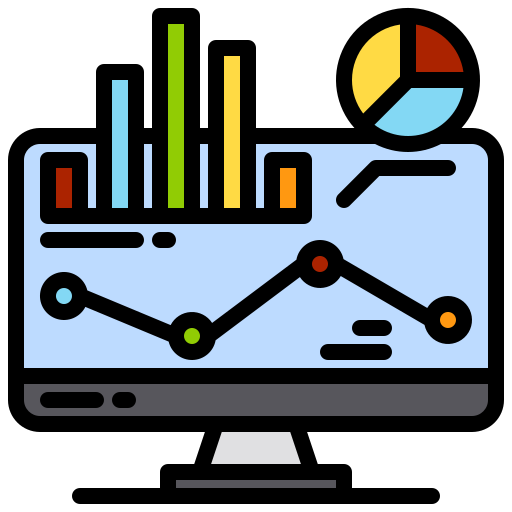
Analytics and Reporting
Analytics and reporting in digital marketing focus on tracking and evaluating campaign performance to refine strategies. Tools like Google Analytics help monitor key metrics such as website traffic, conversion rates, and user behavior. Regularly reviewing reports allows marketers to understand what works, spot trends, and make data-driven decisions. Effective reporting ensures better ROI measurement, improved targeting, and more informed planning for future campaigns.
SEM (Search Engine Marketing)
Search Engine Marketing (SEM) involves using paid strategies to increase a website’s visibility on search engines like Google. This includes creating targeted ads that appear in search results based on keywords relevant to your business. SEM campaigns, such as those run through Google Ads, are designed to drive traffic to your site, increase brand visibility, and generate leads. Key elements of SEM include keyword research, crafting compelling ad copy, and effective bid management. Monitoring performance metrics like click-through rates and conversions is essential for optimizing these campaigns.

Influencer Marketing
Influencer marketing involves partnering with influential individuals to promote your brand. By identifying relevant influencers in your niche, you can collaborate with them to create authentic content that resonates with their audience. This strategy boosts credibility and expands your brand’s reach. It's important to track campaign performance using metrics like engagement and conversions and ensure that the influencer’s values align with your brand for genuine endorsements. Popular platforms for influencer marketing include Instagram, YouTube, and TikTok.

CRO (Conversion Rate Optimization)
Conversion Rate Optimization (CRO) is the practice of increasing the percentage of website visitors who complete a desired action, such as making a purchase or signing up. This involves analyzing user behavior, experimenting with different design elements, and refining calls-to-action (CTAs) to enhance the user experience. A/B testing is often used to compare variations and determine the most effective approach. Improving site speed, simplifying navigation, and clearly communicating value propositions can significantly boost conversion rates and support business growth.

Branding
Branding is the process of developing a unique identity for a business, product, or service, incorporating elements such as the name, logo, design, and messaging. It distinguishes a company from its competitors and creates a lasting impression on consumers. Effective branding communicates the company’s values, mission, and promises, building trust and loyalty with customers. It influences how customers perceive and interact with the brand, making it more memorable and desirable. Strong branding can increase recognition, customer preference, and long-term success in the market.
Online Reputation Management
Online reputation management involves overseeing and shaping how your brand is perceived across digital channels. This includes regularly monitoring mentions and reviews on social media, forums, and review websites. Responding promptly to feedback—both positive and negative—helps build trust and address concerns. Content marketing can be used to promote positive narratives and improve the brand’s image. It's crucial to manage your online presence proactively to maintain a positive reputation.